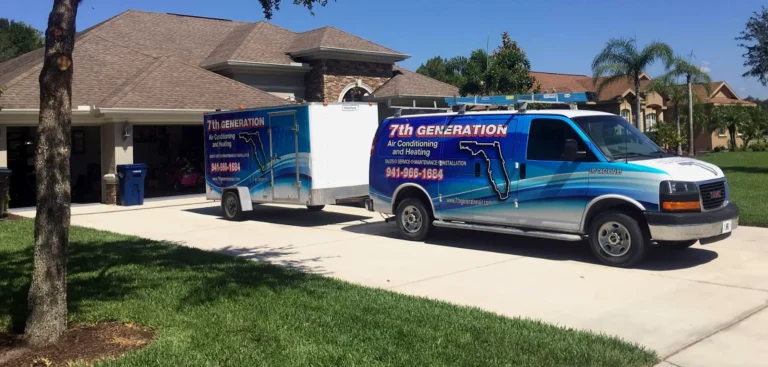

Understanding Southwest Florida’s Unique HVAC Challenges
Moving to Southwest Florida brings exciting opportunities and lifestyle changes, but it also introduces unique challenges for maintaining your home’s air conditioning system. The combination of extreme humidity, salt air, frequent storms, and year-round cooling demands creates conditions that can quickly deteriorate HVAC equipment if not properly managed. At 7th Generation Air Conditioning and Heating, we’ve observed patterns of costly mistakes that newcomers to areas like Lakewood Ranch, Parrish, and Myakka City often make during their first years of homeownership. Understanding these pitfalls before they occur can save thousands of dollars in unnecessary repairs and premature system replacements.
Our family has been in Florida for seven generations, giving us deep insight into how this climate affects air conditioning systems differently than other regions. The subtropical environment demands specific maintenance approaches that many new residents don’t anticipate. Salt corrosion accelerates component degradation, especially in coastal areas, while the constant humidity creates ideal conditions for mold growth within ductwork and air handlers. Additionally, the extended cooling season means your AC system operates nearly continuously for eight to nine months annually, creating wear patterns that require proactive attention.
Neglecting Regular Filter Changes and Basic Maintenance
The most expensive repairs often stem from the simplest oversights. In Southwest Florida’s dusty, pollen-heavy environment, air filters clog faster than manufacturer recommendations suggest. While filter packaging might indicate three-month replacement intervals, our humid climate with its abundant organic particles typically requires monthly changes during peak cooling season. Clogged filters force your system to work harder, increasing energy consumption by up to 15% while simultaneously reducing cooling capacity. This additional strain accelerates wear on critical components like blower motors and compressors, potentially shortening system lifespan by several years.
Beyond filter changes, many homeowners underestimate the importance of keeping outdoor condensing units clear of vegetation and debris. Florida’s rapid plant growth means that landscaping can quickly encroach on your outdoor unit, restricting airflow and causing the system to overheat. We recommend maintaining at least two feet of clearance around all sides of the unit and regularly removing leaves, grass clippings, and palm fronds that accumulate on the fins. These simple maintenance tasks, when performed consistently, prevent the cascade of problems that lead to major component failures.
Ignoring Early Warning Signs of System Problems
Southwest Florida homeowners often dismiss subtle changes in their AC’s performance, attributing unusual sounds or reduced cooling to normal aging. However, these early indicators typically signal developing problems that become exponentially more expensive when left unaddressed. Common warning signs include:
- Unusual noises: squealing indicates belt problems, grinding suggests bearing failure, and rattling often means loose components
- Increased humidity indoors: signals refrigerant issues or oversized equipment cycling too quickly
- Frequent cycling: indicates thermostat problems, refrigerant leaks, or electrical issues
- Ice formation on refrigerant lines: suggests low refrigerant levels or airflow restrictions
- Musty odors: indicates mold growth in ductwork or drainage problems
When these symptoms appear, immediate professional evaluation prevents minor issues from evolving into system failures. Our service throughout Sarasota, Manatee, and Charlotte Counties has shown that addressing problems early typically costs 70% less than waiting until complete breakdown occurs.
DIY Repairs and Improper Service Provider Selection
The availability of online tutorials tempts many homeowners to attempt their own HVAC repairs, but Florida’s complex humidity control requirements and strict building codes make professional expertise essential. Improperly charged refrigerant levels, even slightly off manufacturer specifications, dramatically reduce efficiency and accelerate compressor wear in our humid climate. Amateur electrical work poses serious safety hazards and often voids manufacturer warranties, leaving homeowners fully responsible for replacement costs that insurance won’t cover.
Equally problematic is selecting service providers based solely on price without verifying proper licensing, insurance, and local experience. Southwest Florida’s unique environmental conditions require technicians who understand how salt air affects coastal properties differently than inland locations like Fruitville or Braden River. We take your budget as seriously as you do and will do everything we can to get your system in the best working order according to your needs and preferences, but cutting corners on professional service inevitably leads to higher long-term costs.
Preventing Costly Mistakes Through Proactive Care
Establishing a comprehensive maintenance schedule adapted to Southwest Florida’s demands protects your investment while ensuring reliable comfort throughout our long cooling season. Professional maintenance twice annually, ideally in spring and fall, allows technicians to identify developing issues before they cause system failures during peak summer heat. These visits include cleaning coils, checking refrigerant levels, testing electrical connections, and evaluating overall system performance against manufacturer specifications.
Our commitment to educating homeowners about proper HVAC care stems from twenty years serving the Sarasota area, with eleven years specializing in AC service. We explain our services in detail, providing options that help you make educated decisions about your HVAC systems while respecting your budget constraints. This transparent approach ensures you understand both immediate needs and long-term maintenance requirements, preventing the cascade of problems that transform minor issues into major expenses.